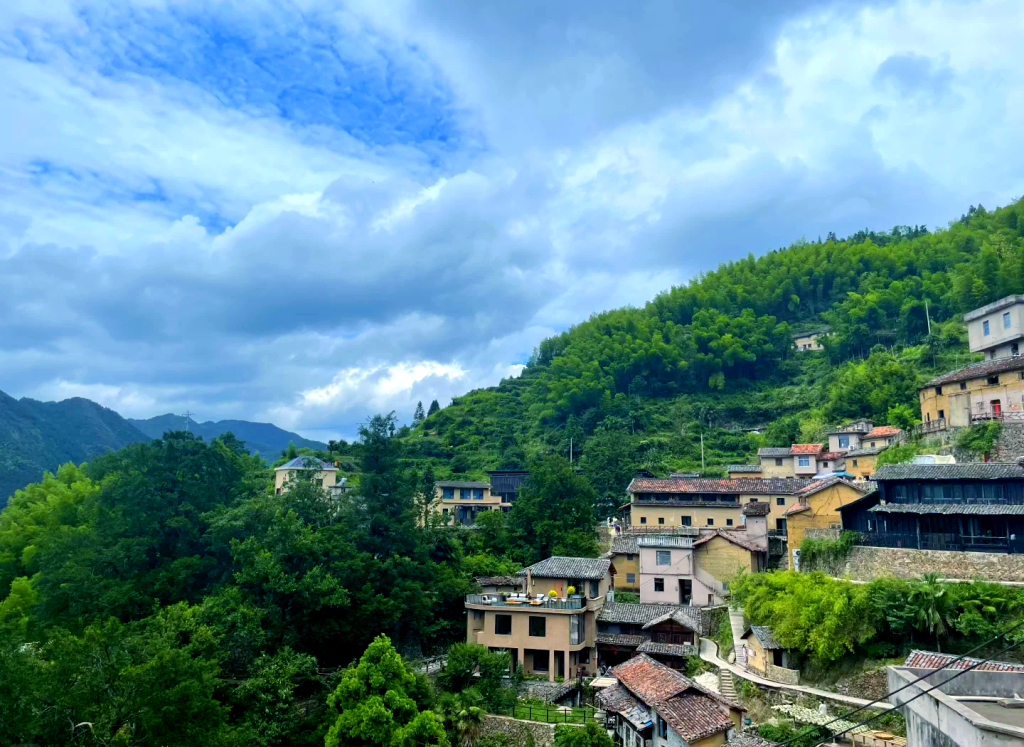
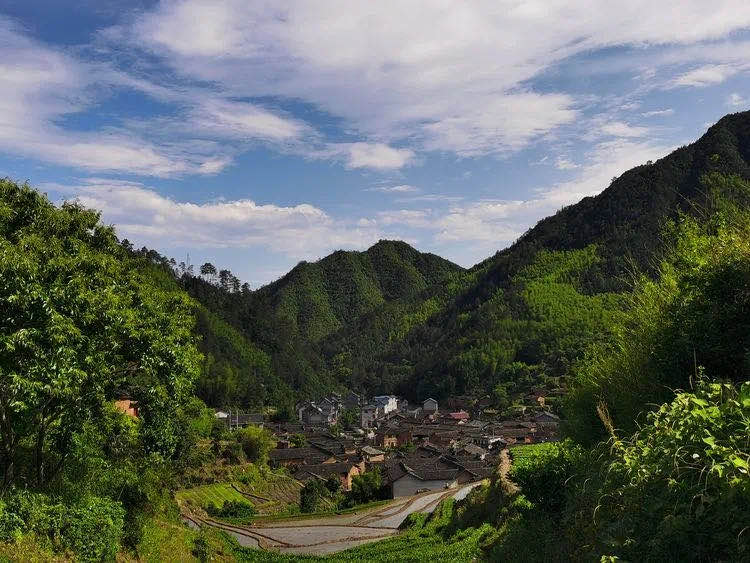
Songyang Scenic Area
Guide to Songyang Scenic Area (Taishi Mountain)
Nestled just north of the Dengfeng Urban Area, the songyang scenic area serves as the scholarly and spiritual heart of Mount Song. While martial artists temper their bodies in the valleys below, philosophers and ascetics have long retreated to these 43.4 square kilometers of peaks to cultivate the mind. This comprehensive songyang scenic area travel guide meticulously details a sanctuary where magnificent natural topography seamlessly merges with millennia of profound cultural heritage.
The following discourse explores the region through its core overview, natural landscapes, historical monuments, and practical traversal strategies:
Core Overview
- Geography and Origin of Name: Mount Song is profoundly dualistic in nature, divided by the flowing Shaolin River. To the west lies the physical, martial domain of Shaoshi Mountain, while the eastern expanse is defined by the tranquil majesty of taishi mountain. As the eastern anchor of this sacred range, taishi mountain boasts an impressive 36 peaks, each a silent witness to the contemplations of ancient sages. Its main peak, Junji Peak, stands at an altitude of 1491.73 meters. Its name derives from the Book of Songs, meaning “reaching up to the sky”. It is also known as “Imperial Stele Peak” because Emperor Qianlong once erected a stele and composed poems here. According to legend, Qi, the son of King Yu of the Xia Dynasty, was born here by King Yu’s first wife Tushan Shi, and the Qimu Temple was built at the foot of the mountain, hence the name “Taishi” (the character “Shi” means wife and spouse in ancient Chinese).
- Geological Value: Known as a “Natural Geological Museum”, Taishi Mountain completely preserves the stratigraphic sequence from the Archean Eon to the Cenozoic Era, forming a rare geological wonder of “five generations of geological layers coexisting”, which is of great significance for the research of earth evolution history.
Natural Landscapes
- Overlooking from Junji Peak: Standing on the top of Junji Peak, visitors can view the picturesque Shaoshi Mountain to the west, the towering Jishan Mountain to the south, the rushing Yingshui River in the front and the winding Yellow River like a ribbon to the north. The crisscrossing valleys and changing sea of clouds fully demonstrate the magnificent momentum of “seeing all mountains dwarfing beneath you”.
- Moon Viewing at Songmen: In the valley on the east side of Fawang Temple, two peaks stand facing each other like a gate. On Mid-Autumn nights, the bright moon rises slowly, spilling silver light over the valley, forming the stunning scenery of “Moon Viewing at Songmen”, one of the eight ancient scenic spots of Mount Song.
- Exquisite Peak Forests: The 36 peaks of Taishi Mountain feature verdant rock cliffs and clustered peak walls, shaped like blooming hibiscus flowers. Well-known peaks include Junji Peak, Yujing Peak and Qingtong Peak, each with unique allusions and legends.
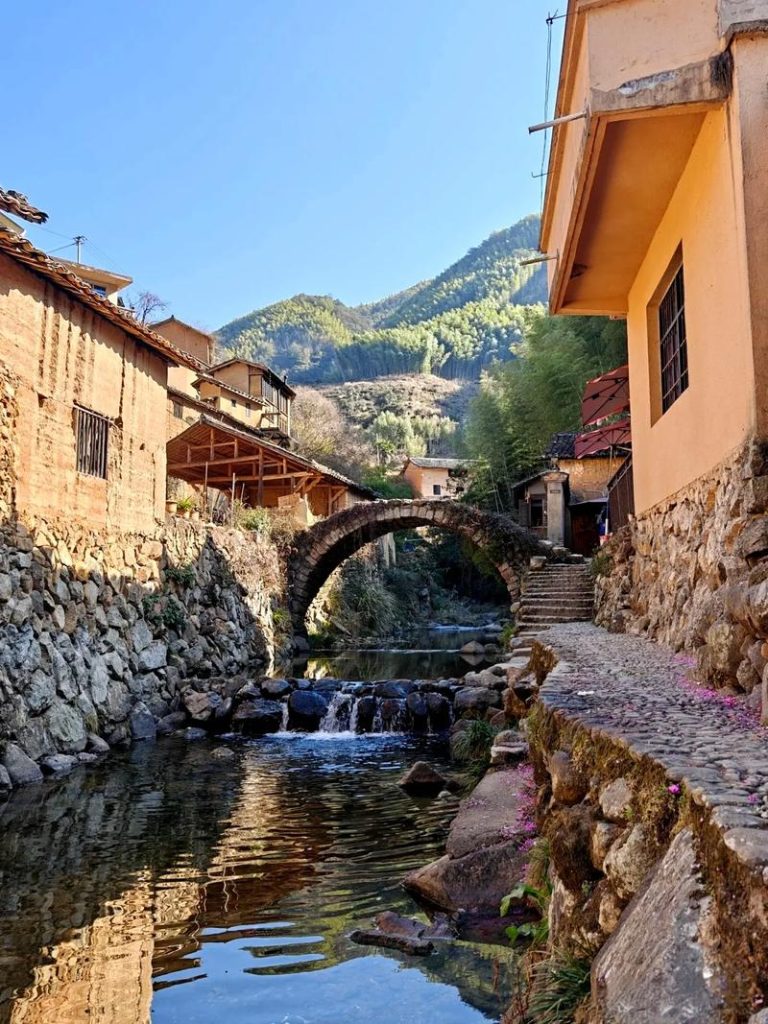
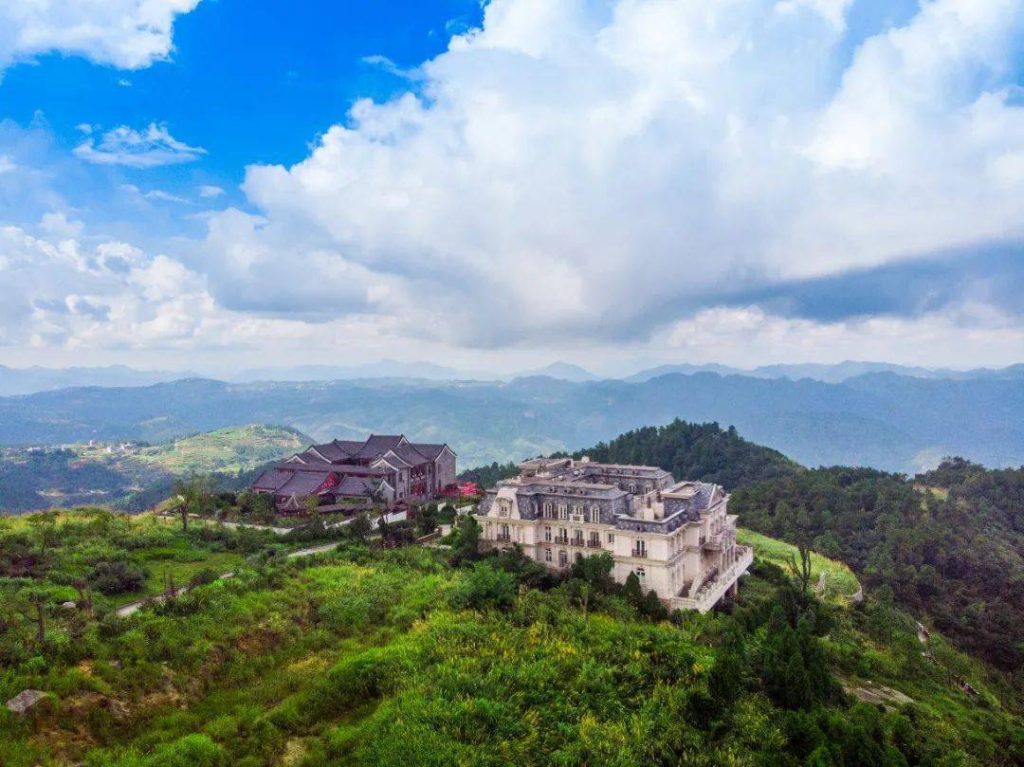
Cultural Attractions
- Songyang Academy: Ranking first among the four great academies of the Song Dynasty, it is the birthplace of Neo-Confucianism in the Song and Ming dynasties. First built in the Northern Wei Dynasty, it was once a lecture place for famous scholars including Fan Zhongyan, Cheng Yi and Cheng Hao. The academy houses the “General Cypress Trees” conferred by emperors of the Han Dynasty, with an age of over 4,500 years (requiring five adults to encircle), as well as the Ode Stele to the Sage’s Virtue of the Great Tang Dynasty at Songguan Temple, the largest existing stele in Henan Province.
- Songyue Temple Pagoda: Recognized as a vital, spiritual pillar of the UNESCO World Heritage Site “Historic Monuments of the Center of Heaven and Earth.” Erected during the cultural renaissance of the northern wei dynasty over 1,500 years ago, the songyue temple pagoda stands as China’s oldest existing 12-sided multi-eave brick structure. Rising approximately 45 meters, its elegantly simple geometry reflects ancient cosmological beliefs, a design so timeless it later inspired modern architectural landmarks such as the “Corn Tower” in Zhengzhou.
- Fawang Temple: The earliest official Buddhist temple built after Buddhism was introduced to China (founded in 71 AD), 424 years earlier than Shaolin Temple, earning it the reputation of “China’s No.1 Ancient Temple”. There are two ginkgo trees in the temple with a history of more than 2,000 years, covered with golden leaves in autumn.
- Huishan Temple: One of the four major temples on Mount Song, it was originally a temporary imperial palace of Emperor Xiaowen of the Northern Wei Dynasty. It preserves the only existing Yuan Dynasty wooden main hall on Mount Song, and is home to numerous ancient steles and eminent monks throughout history.
Travel Guide
To ensure your physical journey up the peaks mirrors your intellectual pursuit, this songyang scenic area travel guide provides the essential logistical framework for your expedition.
Ticket Information:
- Single ticket for Taishi Mountain: 50 RMB;
- Combined ticket for Songyang Scenic Area: 80 RMB (including Taishi Mountain, Songyang Academy, Fawang Temple, Songyue Temple Pagoda and Huishan Temple);
- Discount Policy: Half-price tickets for students and seniors aged 60-69; free admission for seniors aged 70 and above and children under 1.4 meters in height.
Opening Hours: 07:00-18:30 (last admission at 16:30).
Hiking Routes (No cable cars, full hiking):
- Classic Labor-Saving Route (3-4 hours to reach the summit): Scenic Area Tourist Center → Sightseeing Bus (15 RMB one way) → Taishi Mountain Square → Laomu Cave → Junji Palace → Sanhuang Pass → Junji Peak;
- In-depth Cultural Route: Songyang Academy → Laojun Cave → Junji Peak → Fawang Temple → Songyue Temple Pagoda, covering both cultural relics and natural scenery.
Travel Tips:
- Equipment: Wear non-slip sports shoes, and prepare hiking poles and knee pads. The temperature at the summit is 5-8℃ lower than at the foot of the mountain, so a light coat is necessary;
- Supplies: Carry more than 2 bottles of drinking water and high-calorie food, as prices at the mountain top are relatively high;
- Time: It is recommended to set off before 8 a.m. to reserve sufficient hiking time and avoid descending the mountain after dark.