
Shaolin Kung fu vs Wushu: The Ultimate Guide
Comparison and Contrast of Shaolin Kung Fu and Shaolin Wushu
Concept Definition
When exploring the core definitions within this guide, understanding the structural difference between Shaolin Kung Fu and Wushu is essential:
-
-
Shaolin Wushu: A technical system originating from the Shaolin Temple. It encompasses routines and combat techniques, including fist, staff, broadsword, spear, sword, and other combat skills, focusing on practical functions such as offense and defense, physical fitness, and competitive sports. It is one of the major categories of traditional Chinese wushu.
-
Shaolin Kung fu: A comprehensive cultural and cultivation system based on Shaolin Wushu as the carrier, with the core philosophy of the integration of Zen and martial arts. It covers technical skills, Zen practice, precepts, martial morality and religious beliefs. It was inscribed on the list of National Intangible Cultural Heritage of China in 2006.
-
Similarities
When evaluating Shaolin Kung Fu vs wushu, both systems share deep, foundational commonalities:
-
-
Same Origin and Root: Both originate from Songshan Shaolin Temple in Henan Province, with a history dating back to the Northern Wei Dynasty. Founded by Bodhidharma and perfected by generations of warrior monks, they share the profound cultural foundation of the renowned saying “All great Kung fu originates from Shaolin”.
-
Identical Technical Foundation: They share completely overlapping core mechanics. Within the modern framework, foundational forms heavily draw from classic wushu basic techniques, including traditional boxing (Arhat Fist, Shaolin Long Fist), staff techniques (authentic Shaolin Staff), broadsword skills, grappling, acupoint striking, and Qigong practice.
-
Consistent Stylistic Features: Both systems display a highly recognizable wushu fighting style that is vigorous, simple, and practical. They feature compact movements and linear attack and defense routes rooted in actual combat, placing emphasis on the integration of internal spirit and external physical strength, as well as the harmony of hardness and softness.
-
Overlapping Practical Functions: Both serve the purposes of physical fitness, self-defense, competitive performance, and spiritual cultivation.
-
Iconic Cultural Symbol: As outstanding representatives of traditional Chinese martial arts, both act as vital cultural business cards for China’s cultural exchanges with the world.
-
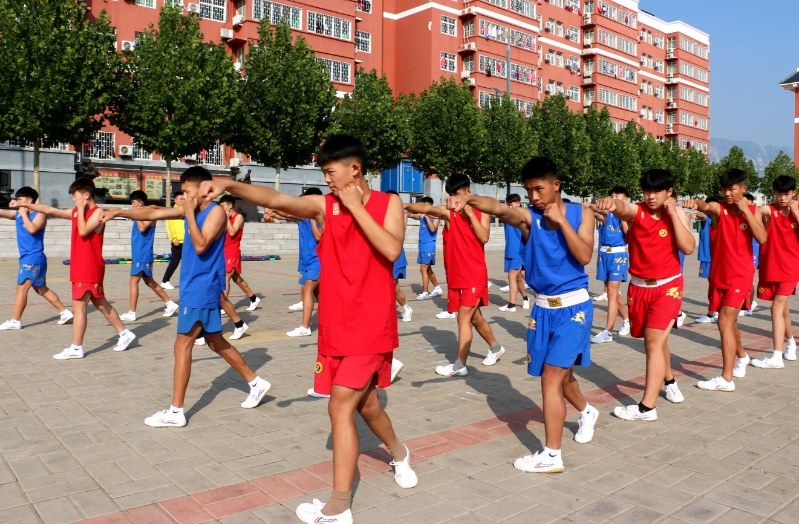
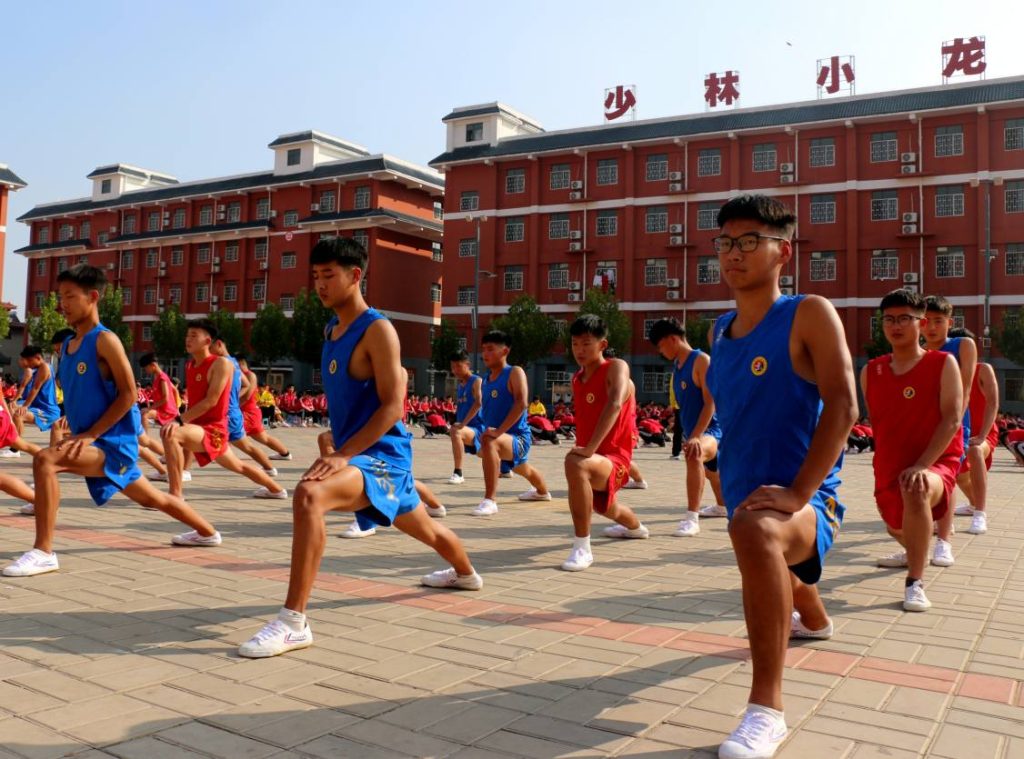
Differences
Connotation and Denotation (Core Distinction)
-
Shaolin Wushu: Focuses on techniques. It is a standardized sports and technical system centered on physical movements, routine specifications and competition rules, which can exist independently as a professional sports event.
-
Shaolin Kungfu: Focuses on the Dao (spiritual truth). It is a complete cultivation system integrating Zen, martial arts, precepts and morality. Martial arts skills merely serve as a carrier of practice. Its core lies in attaining Zen through martial practice and enlightening one’s true nature, focusing on the elevation of spiritual awareness and life realm.
Core Purpose
-
Shaolin Wushu: Aims at mastering techniques, strengthening the body, defending against enemies, and participating in competitions to improve combat capability and physical quality.
-
Shaolin Kung Fu: Focuses on spiritual practice, self-cultivation, enlightenment, and spiritual transcendence. Martial arts training is regarded as a way of Zen practice. Buddhist precepts (such as no killing and no lying) are the bottom line of Kung Fu practice, and martial morality is the soul of authentic Kung Fu.
Cultural Attributes
-
Shaolin Wushu: Dominated by sports and competitive attributes. Wushu fighting style can be standardized, standardized for promotion and commercialized, making it suitable for professional competitions and public performances.
-
Shaolin Kung fu: Dominated by religious and cultural attributes. It takes Zen Buddhism as its core belief (valuing Bodhidharma for wisdom and Vajra for power). As a secular expression of Buddhist culture, it adheres to the principle that belief guides combat techniques, and combat techniques embody spiritual belief.
Practice Approach
-
Shaolin Wushu: Adopts an external-to-internal practice path. Practitioners first train fixed routines, movements, strength and speed, then gradually perceive internal breath and physical power.
-
Shaolin Kung Fu: Adopts an internal-to-external and integrated internal-external practice path. Based on Zen meditation, precept observance and moral cultivation, it advocates that the mind commands the spirit, the spirit drives energy, and the body serves as the instrument. Movements are executed with spiritual awareness, without rigid adherence to fixed routines.
Inheritance Subjects
-
Shaolin Wushu: Open to the general public, professional athletes and martial arts enthusiasts with no religious threshold, focusing purely on the inheritance of technical skills.
-
Shaolin Kung Fu: Its core inheritors are monks of Shaolin Temple, who need to take refuge in Buddhism, observe religious precepts and practice Zen. It is an exclusive spiritual practice system for the monastic community, and folk inheritance often loses its core connotations of the Zen mind and religious precepts.
Value Orientation
-
Shaolin Wushu: Highlights practical value, ornamental value, and fitness value, belonging to the dimension of technical skills.
-
Shaolin Kung fu: Takes spiritual value, cultural value, and religious value as the core, belonging to the dimension of spiritual truth. It adheres to the tenet that Kung fu is for spiritual cultivation rather than performance, for enlightenment rather than vanity.
Conclusion
- Shaolin Kung Fu = Shaolin Wushu + Zen Practice + Buddhist Precepts + Martial Morality + Religious Belief
- Shaolin Wushu serves as the technical outer shell of Shaolin Kung Fu, providing the structural foundation for weapon forms like Wushu sword techniques, while Shaolin Kung Fu remains the spiritual core of Shaolin Wushu.
- Without Wushu techniques, Kung Fu has no carrier; without a Zen mind, Wushu has no soul. The two are integrated and mutually complementary, constituting the core of Shaolin culture.