
Benefits of Shaolin Kungfu
Improve overall physical quality
Systematic practice of Shaolin Kung fu focuses on leg and waist strength, stance training, and physical coordination. Experiencing the deep physical benefits of shaolin kung fu comprehensively enhances the five core athletic qualities: explosive power, endurance, flexibility, balance, and agility. These parameters fit the physical demands of track and field, ball games, combat sports, gymnastics, and other modern competitive events.
Strengthen core strength and body control
Stance training, such as horse stance, bow stance, and empty stance, firmly stabilizes the waist, abdomen, and lower limbs. The practice of body movement, stepping, and tumbling improves spatial perception and posture control, greatly reducing the risk of imbalance and mistakes in competitions.
Optimize posture and physical function
Shaolin Kung fu emphasizes proper body alignment and upright posture, which corrects poor posture such as hunchback and pelvic tilt. Specialized breathing training regulates cardiopulmonary function, improves oxygen supply efficiency, and delays physical exhaustion in high-intensity competitions.
Technical Movement: Optimize Sports Skills and Mechanics
Enhance physical coordination and reaction speed
Shaolin Kungfu stresses the unity of hands, eyes, body, and steps. Long-term training develops high overall coordination. Skill adaptation and response drills greatly improve nerve reaction speed and predictive ability, which are highly beneficial for combat sports, ball games, and other competitive events with physical confrontation.
Standardize force application and improve sports efficiency
Traditional martial styles advocate taking the waist as the axis and integrating the whole body’s strength. By embedding specific Shaolin Kung Fu techniques into your routine, you correct stiff, partial-force habits found in modern sports, making movement smoother and more labor-saving while reducing unnecessary physical exertion.
Enrich technical tactics and offensive-defensive thinking
The concepts of advance and retreat, virtual and real changes, and borrowing force in Shaolin Kung fu can be applied to Sanda, taekwondo, basketball defense, football positioning, and other competitive scenarios, broadening athletes’ tactical thinking and technical styles.
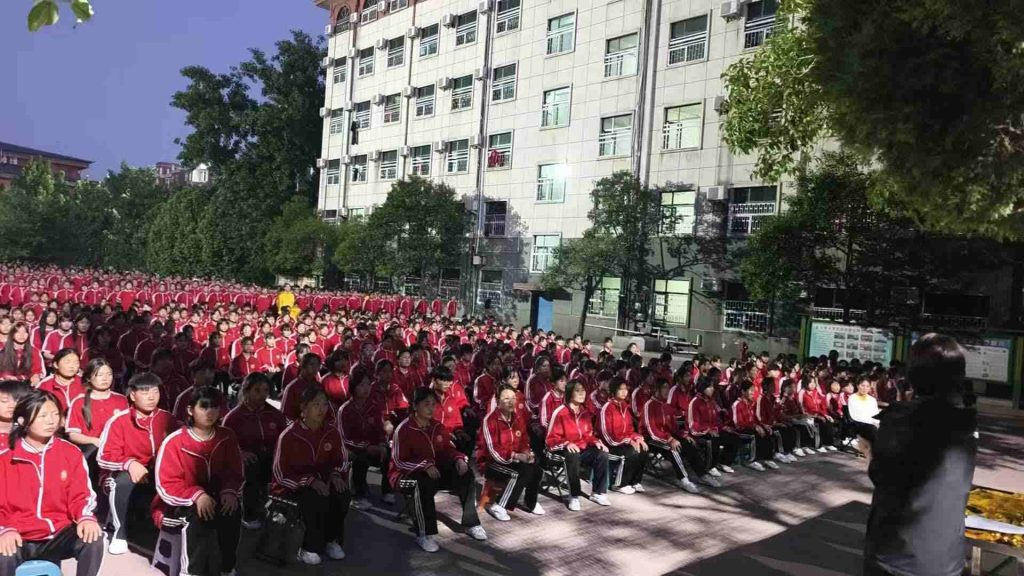
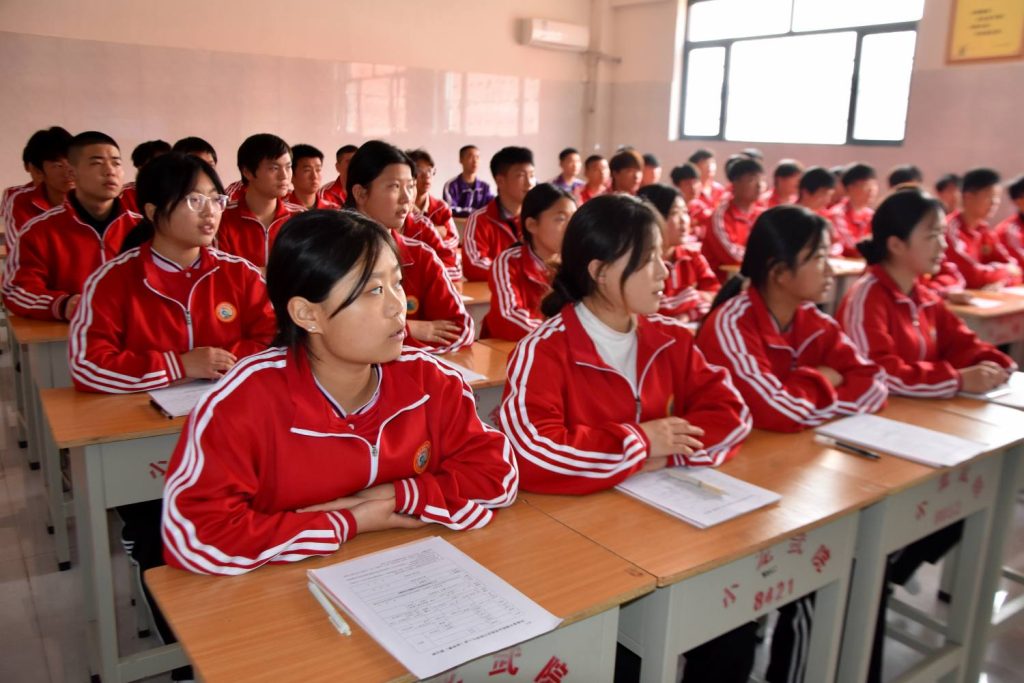
Mental & Psychological Level: Cultivate Competitive Mental Quality
Temper perseverance and endurance
Shaolin Kung fu techniques require persistent basic training in harsh conditions. Long-term practice cultivates the spirit of perseverance, hard work, and never giving up, helping athletes cope with high-intensity training and tough matches in competitive sports.
Build calm mentality and on-the-spot composure
Shaolin Kung fu training methods integrate Zen and practice, focusing on inner peace and concentration. It effectively relieves pre-match anxiety and impetuosity, improving athletes’ pressure resistance, rhythm control, and stable performance in crucial moments.
Develop self-discipline and respect for rules
Shaolin Kung fu values morality, discipline, and respect for teachers. Practitioners form strong self-discipline and awareness of abiding by rules and team arrangements, which meets the management and teamwork requirements of professional competitive teams.
Injury Prevention: Reduce Sports Injuries and Extend Athletic Career
Strengthen joint flexibility and muscle protection
Basic stretching and flexibility training in Shaolin Kung fu enhances the toughness of vulnerable joints such as the shoulder, knee, ankle, and waist, as well as the protective ability of surrounding muscles, reducing sprains, strains, and chronic overuse injuries.
Master scientific breathing and self-recovery methods
Shaolin Kung fu breathing exercises and quiet relaxation methods can be used for physical and mental recovery after training and competitions, relieving nervous tension and muscle soreness, helping athletes recover quickly and extend their sports career.
Personality & Team Development: Adapt to Professional Sports Development
Cultivate martial morality and standard competitive conduct
The traditional morality of Shaolin Kung fu advocates modesty, integrity, respect for opponents, and fair play. It helps athletes maintain sportsmanship, respect referees and rivals, and abandon violent fouls on the field.
Improve concentration and goal execution
Shaolin Kung fu training methods require wholehearted devotion in practice. Long-term training improves athletes’ concentration, sense of purpose, and execution, enabling them to focus on polishing skills and breaking through performance bottlenecks.
Integrate Shaolin Kung fu to Improve MMA Competencies
By training in Shaolin basic skills, Sanda (free fighting), Chin Na (grappling), and Qigong, practitioners can seamlessly elevate their overall capabilities when executing MMA combinations in Shaolin Kung Fu.
1. Shaolin Kung fu Basic Skills: Lay a Solid Foundation for MMA
Shaolin basic skills focus on stances, body movement, balance, physical flexibility, and fundamental power generation, serving as the foundation for all MMA techniques. They effectively fix common problems such as unstable stances, clumsy movement, and disjointed power delivery in combat.
Core Training Content
-
-
Stance Training: Horse stance, bow stance, empty stance, crouch stance, and resting stance, combined with Shaolin continuous steps, circling steps, and evasive steps. These strengthen lower body stability, enhancing performance in standing exchanges, takedown defense, retreats, and agile directional shifts, and prevent easy tripping or tackling.
-
Arm & Hand Drills: Palm strikes, chopping palms, hammer fists, swinging fists, arm hanging, and shoulder stretching. They relax the shoulders and arm muscles, correct stiff postures in punching, and boost striking speed and endurance.
-
Leg & Hip Work: Leg stretching, kicking, spring kicks, inward and outward crescent kicks. These improve hip mobility, diversify kicking techniques, and boost explosive power for MMA low kicks, front kicks, and side thrust kicks.
-
Body Movement: Waist twisting, torso rotation, body contraction, and evasion. They enhance torso flexibility, enabling smooth slipping, dodging, and counterattacks to reduce the chance of being hit.
-
Integration Tips
-
-
Practice these drills for 30 to 40 minutes daily as a warm-up. Combine integrated whole-body power from Shaolin with jabs, hooks, and low kicks, replacing isolated limb movement to deliver more penetrating strikes.
-
2. Shaolin Sanda: Connect with Modern MMA Striking Systems
Modern Sanda combines punching, kicking, and throwing, which aligns closely with MMA standing combat rules. It acts as a bridge linking traditional Shaolin martial arts to modern combat, greatly improving standing offense and defense, fast combination attacks, and close-quarters positioning.
Technical Integration
-
-
Punching Techniques: Combine Sanda’s straight punches, swinging punches, and hook punches with the compact striking style of Shaolin short-range fist techniques. Build powerful mid-to-close range combinations for pressure and counterattacks in open standing fights.
-
Kicking Techniques: Integrate Sanda’s side thrust kicks, roundhouse kicks, and front kicks with the rapid, consecutive spring kicks of Shaolin. Deploy high and low kicks tactically: low kicks to disrupt opponents’ balance, and high kicks for surprise attacks.
-
Throwing Techniques: Master Sanda’s leg-catch throws, body clinch throws, and neck locks. Compensate for the limitations of traditional Shaolin throwing moves, and excel at countering opponents’ kicks and close clinches to transition into ground grappling.
-
Combat Rhythm: Adopt Sanda’s “strike fast and retreat quickly” tactics together with Shaolin evasive footwork to neutralize aggressive opponents.
-
Training Focus
-
-
Prioritize defending against leg catches, counter-throws, and seamless transitions from throws to ground moves. Break the habit of stopping after a throw, and immediately switch to MMA ground control positions such as mount and side control after takedowns.
-
3. Shaolin Chin Na: Enhance Close-Quarters Grappling and Joint Control
Traditional Shaolin Chin Na features joint locking, limb control, and force deflection. It perfectly adapts to MMA scenarios including cage wall grappling, close clinches, and ground entanglement, adding effective skill sets for close-range domination through skill rather than brute strength.
Practical Application
-
-
Cage Wall & Close Clinches: Apply wrist locks, elbow locks, and shoulder presses to restrict opponents’ upper limbs, blocking their punches, clinches, and throw attempts, while creating openings for knee strikes and elbow strikes.
-
Ground Grappling: Simplify complex traditional Chin Na and convert it into standard MMA submission holds, including arm locks, armbars, kimura locks, and wrist locks. The force deflection and leverage principles of Chin Na help execute joint locks faster and more effectively.
-
Defense Against Control: Learn disengagement and evasion skills from Chin Na to escape opponents’ takedowns, neck locks, and head clinches.
-
Important Notes
-
-
Abandon lethal moves that violate MMA rules, such as crippling joint strikes and fatal chokeholds. Only practice legal control and submission techniques focusing on restraining opponents without severe injury.
-
4. Shaolin Qigong: Improve Stamina, Breathing, Durability, and Mental Focus
Shaolin Qigong is divided into internal Qigong (for energy regulation) and hard Qigong (for physical toughening). It addresses major MMA challenges including poor endurance, weak striking resistance, improper breathing, and nervousness, by regulating physical functions rather than mystic practices.
Internal Qigong (Breathing, Stamina & Mental State)
-
-
Diaphragmatic Breathing: Utilizing designated Shaolin Qigong breathing exercises corrects the bad habit of holding your breath or gasping heavily during fights. Standardized breathing boosts cardiopulmonary endurance to avoid fatigue in later rounds. Exhale while striking or kicking to amplify power penetration.
-
Meditative Qigong: Practice during pre-fight preparation and between rounds to calm nerves, maintain concentration, and avoid being led by the opponent’s rhythm.
-
Hard Qigong (Striking Resistance & Physique)
-
-
Body Conditioning & Dantian Power: Toughen the torso, arms, and calves to withstand punches, kicks, and knee strikes, and reduce damage from incoming attacks.
-
Stance Training with Qigong: Combine static stances such as horse stance with breathing exercises to strengthen core stability and static muscle endurance for prolonged clinches and ground stalemates.
-
Training Principles
-
-
Progress step by step and avoid excessive body conditioning training. Prioritize breathing regulation and power cultivation; practice hard Qigong 2 to 3 times per week to prevent muscle stiffness and limited movement.
-
5. Phased Training Plan
Our modular Shaolin Kung Fu training methods are structured sequentially to maximize practical application:
-
Phase 1: Foundation Building (1–2 months): Focus on Shaolin basic skills and Qigong every day to polish stances, body movement, leg flexibility, and breathing. Add basic Sanda drills without high-intensity sparring.
-
Phase 2: Skill Integration (2–4 months): Take Sanda’s striking techniques as the core, supplemented by basic Chin Na for close control. Merge Shaolin whole-body power into punches and kicks. Emphasize combat breathing in qigong training and conduct light-contact sparring twice a week.
-
Phase 3: Practical Combat Enhancement (Long-term Training): Fully integrate all four disciplines: use Sanda and Shaolin hand-and-foot techniques for standing fights, apply Chin Na for close clinching and cage control, and connect all moves with standard MMA ground techniques. Sustain stamina and striking resistance via Qigong and stance training. Conduct full-rule sparring regularly.
6. Core Advantages
-
Stronger Penetrating Power: The combination of Shaolin integrated power and Sanda strikes delivers more forceful blows than pure modern combat techniques.
-
Superior Lower Body Stability: Traditional stance training greatly improves takedown defense, mobility, and stalemate endurance.
-
Diversified Grappling Skills: Chin Na enriches close-quarters and ground control tactics with more submission options.
-
Better Endurance & Durability: Qigong optimizes breathing, physical stamina, and striking resistance, extending an athlete’s competitive career.
-
Versatile Tactics: A mix of powerful striking and skillful control creates varied fighting styles and more tactical choices.
Conclusion
Shaolin Kung fu is a “living fossil of thousand-year-old Zen and martial arts,” and Taekwondo is a “standardized product of modern martial arts.” Both share the same root in East Asian martial arts and the concept of “cultivating both internal and external qualities and prioritizing morality”, but they are clearly divided in history, technology, culture, and goals, Shaolin Kung fu is like an ancient pine, steady and profound, with hidden mysteries; Taekwondo is like a strong bamboo, tall and flexible, with sharp edges. Only by understanding this “harmony in difference” can we truly understand the essence of Eastern and Western martial arts.