Shaolin Kung fu Introduction
Comprehensive Shaolin Kung Fu Introduction
Welcome to the definitive shaolin kung fu introduction. Shaolin Kung Fu is far more than a simple style of self-defense; it is a holistic Chinese martial arts matrix centered entirely on the deep integration of Chan Zen Buddhism and physical mastery.
Characterized by an extensive training architecture that balances internal spiritual cultivation with supreme external physical power, this legendary art encompasses traditional bare-handed boxing forms, weapon masteries, internal health arts, hard qigong, fluid tactical sparring, and ancient temple culture. Adhering to time-tested ancestral philosophies, practitioners learn to remain peaceful yet explosive—truly uniting the body’s boxing path with the mind’s Zen focus.
Shaolin Kung fu Origin: The definitive shaolin kung fu origin begins at the Shaolin Temple, which was built in the 19th year of the Taihe reign of the Northern Wei Dynasty (495 AD). In 527 AD, Bodhidharma faced the wall to preach Zen, combining Indian combat skills with Chinese daoyin breathing exercises, laying the foundation for the integration of Zen and martial arts. Throughout shaolin kung fu history, it gained immense fame in the Sui and Tang Dynasties for assisting Emperor Li Shimin of the Tang Dynasty. The system reached full maturity in the Ming Dynasty, spread among the folk in the Qing Dynasty, and was officially inscribed on the National Intangible Cultural Heritage List in 2006.
Shaolin Kung fu Core Philosophy
Integration of Zen and Martial Arts: Cultivate the mind through Zen practice and refine the body via martial training; as the saying goes, “Train muscles, bones and skin externally, and nurture one vital energy internally.”
Unity of Softness and Strength: Dominated by fierce power supplemented by gentle flexibility, integrating attack and defense as one.
Practicality First: Plain and unadorned, following the principle of “Fight within the space for a lying ox,” with no flashy superfluous moves.
Overview of Shaolin Kungfu (Over 700 Routines)
To understand the core mechanics of the system, we must look at the diverse shaolin kung fu combat methods preserved within the traditional curriculum.
Shaolin Kungfu Bare-handed Boxing System (Core Foundation)
Basic Boxing Routines of Shaolin Kung fu: Shaolin Xiaohong Quan (entry-level, flexible and compact); Shaolin DaHong Quan (powerful, bold and unrestrained); Shaolin Luohan Quan (rich in Zen charm, imitating the Eighteen Arhats).
Shaolin Imitative Animal Boxing (Shaolin Five Animal Styles): Shaolin Dragon Form (cultivate spirit); Shaolin Tiger Form (strengthen bones); Shaolin Leopard Form (build strength); Shaolin Snake Form (nurture vital energy); Shaolin Crane Form (refine essence).
Characteristic Boxing Routines of Shaolin kung fu: Shaolin Plum Blossom Fist (agile body movement); Shaolin Cannon Fist (explosive power); Shaolin Seven Stars Form (exquisite footwork); Shaolin Ground Prone form (ground combat techniques); Shaolin Back Connecting form (long-range striking).
Shaolin Kungfu Weaponry System (Eighteen Kinds of Shaolin Kungfu Weapons)
Shaolin Staff Techniques (Shaolin Masterpiece): Shaolin Eyebrow-height Staff, Shaolin Staff, Shaolin Reverse-grip Staff, Shaolin Wind-Fire Staff. Known for sweeping over a wide area with fierce and sweeping momentum.
Shaolin Broadsword Techniques: Shaolin Single Broadsword, Shaolin Double Broadswords, Shaolin Spring-Autumn Giant Broadsword, featuring sharp chopping strikes and formidable momentum.
Shaolin Spear Techniques: Shaolin Spear, Shaolin Yang Family Spear, Shaolin Luo Family Spear. Following the classic “Pierce in a straight line with swift and precise thrusts.”
Shaolin Sword / Whip / Crutch / Dart: Shaolin Sword (elegant and flowing); Shaolin Nine-section Whip (soft weapon); Shaolin Double Crutches (short weapon); Shaolin Flying Darts (hidden weapons).
Shaolin Kung fu Internal Skill Mental Methods (Core of Internal and External Cultivation)
Shaolin Yijin Jing (Muscle Tendon Changing Classic): Focuses on refining tendons, bones and strength. It unblocks meridians, strengthens muscles and bones, advocates using mind rather than brute force, and serves as the foundation for health preservation and internal power.
Shaolin Xisui Jing (Marrow Washing Classic): Focuses on cultivating mind, vital energy and spirit. Through Zen meditation, it purifies qi and blood, enhances concentration, and provides internal power support for external martial skills.
Shaolin Qigong: Regulate breathing and nurture vital energy. Combined with boxing and weapon practice, it achieves the projection of internal energy outward.
Shaolin Kung fu Hard Qigong & Unique Skills (Power Cultivation)
Shaolin Hard Qigong: Iron Sand Palm, Iron Head Skill, Iron Cloth Shirt, Golden Bell Shield, Stone Touch Skill, Iron Knee Skill. These strengthen local body parts to build anti-strike capability and heavy striking power.
Shaolin Lightness Skill: Vertical jumping, rooftop leaping and wall scaling, cultivating physical agility and balance.
Shaolin Kung fu Practical Combat & Sparring (Combat Application)
Free Fighting (Sanda): Incorporates kicking, striking, throwing, and grappling for real-world combat, serving as the core of modern competitive martial arts.
Grappling Techniques: Dislocate tendons and bones; unlock joints and control vital points, enabling the weak to overcome the strong.
Dual Sparring Routines: Two-person boxing, staff sparring, broadsword and spear combat, practicing offensive and defensive coordination, and simulating real combat scenarios.
Styles & Schools (North-South Differences)
Northern Shaolin (Songshan Mountain): Bold and unrestrained with long-range strikes and proficient leg techniques. It follows the tenet “Hands serve as two gates, while feet deliver all strikes,” featuring unrestrained postures and powerful momentum.
Southern Shaolin (Fujian Province): Short bridges and narrow stances, close-quarters fierce combat with adept hand techniques. Adhering to “Fight within the space for a lying ox,” it is compact and intensive with explosive inch power and a stable lower body stance.
Shaolin Kung fu Training System (Progressive Learning)
The structured framework of shaolin kung fu training follows a strict, step-by-step evolutionary path:
Basic Stage: Horse stance training, leg stretching and splits, fundamental skills including kicking, punching, and footwork to build physical fitness and coordination.
Routine Stage: Learn basic routines such as Minor Hong Quan, Major Hong Quan, and Luohan Quan first, then progress to weaponry and imitative animal boxing.
Internal Skill Stage: Practice Yijin Jing, Xisui Jing, and Qigong to cultivate internal energy and martial power.
Combat Stage: Train in free fighting, grappling, and sparring to improve offensive, defensive, and emergency response abilities.
Zen Cultivation Stage: Meditation, scripture recitation, and mind cultivation to attain the ultimate state of uniting boxing with Zen.
Cultural Value & Modern Development
Shaolin Kung fu Cultural Symbol: As a cultural name card of China, Shaolin Kung Fu integrates the wisdom of Confucianism, Buddhism, and Taoism, embodying the spirit of compassion and unceasing self-improvement.
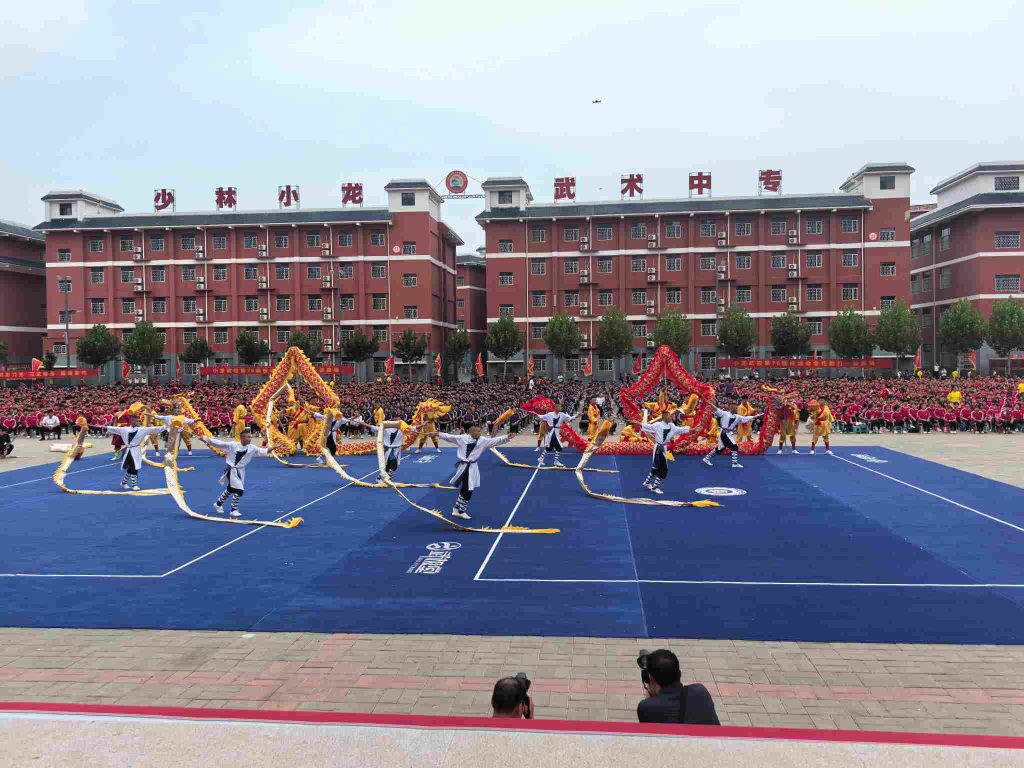
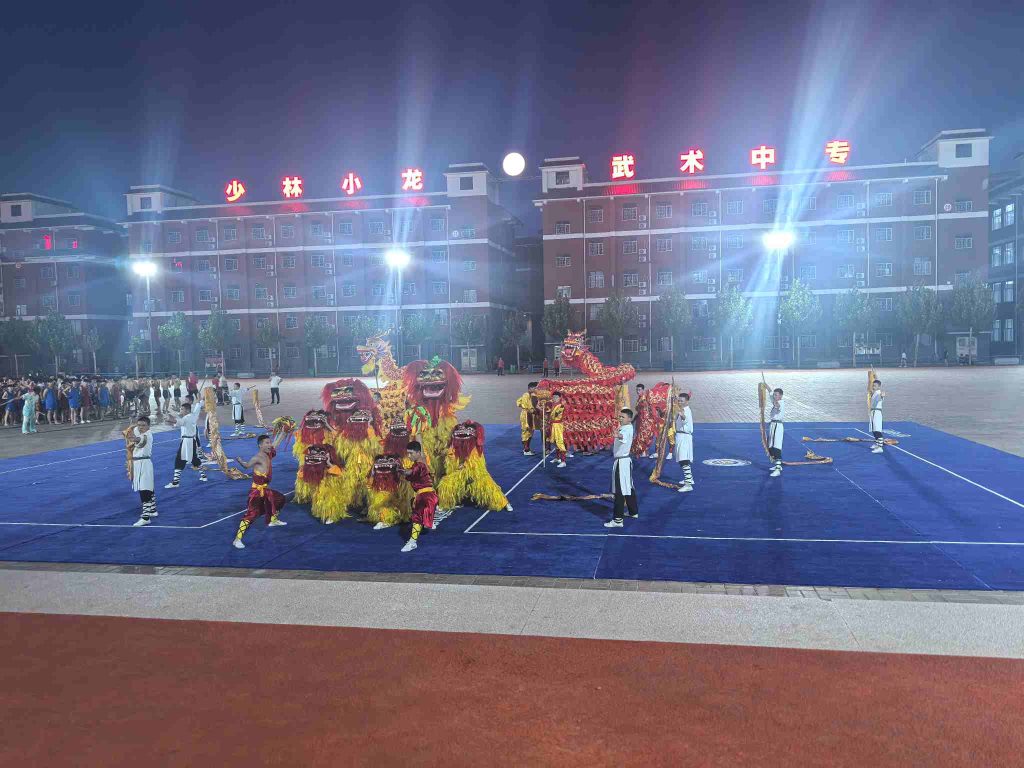
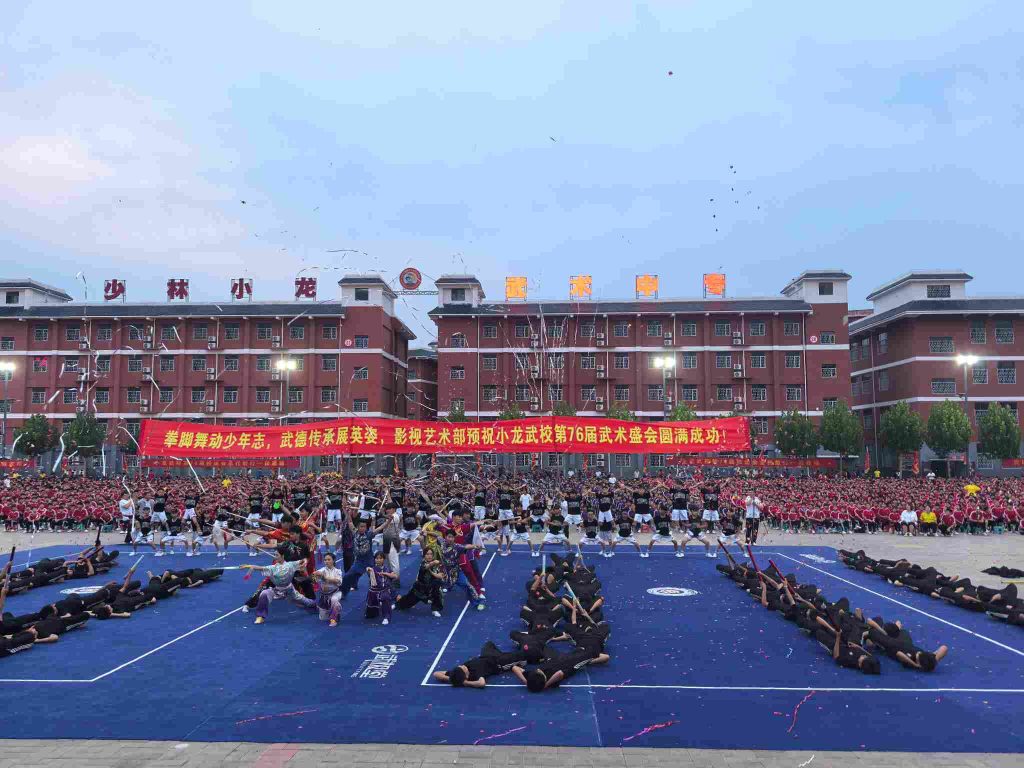
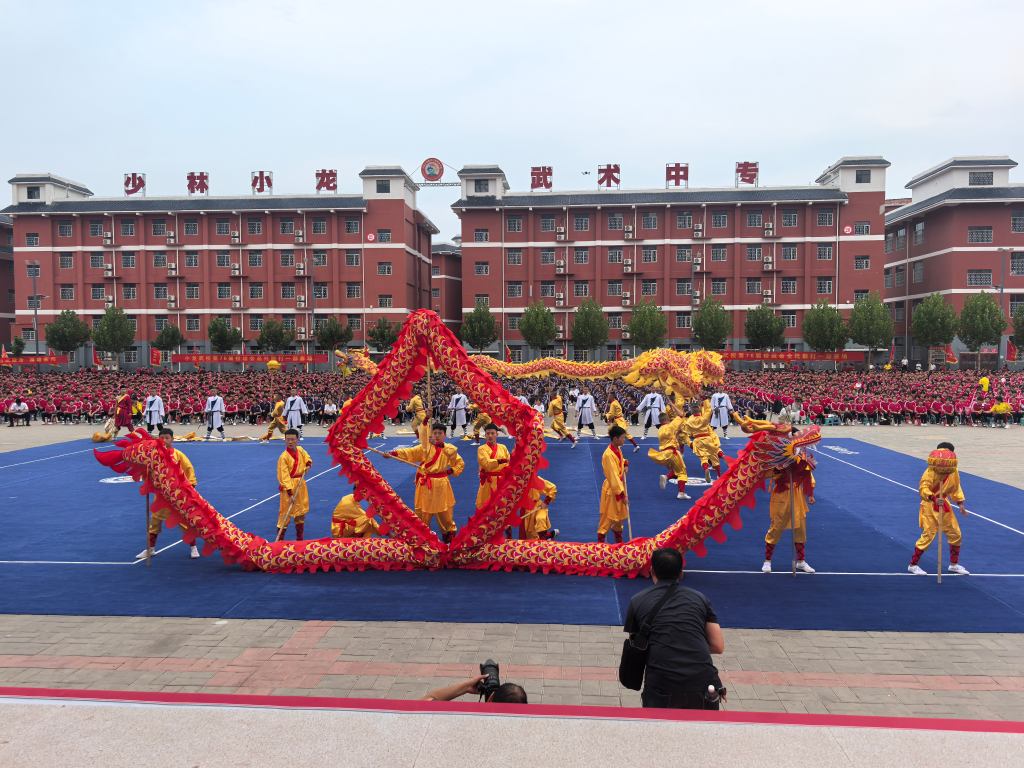
Shaolin Kungfu Global Dissemination: Shaolin disciples reside in over 100 countries worldwide, with overseas learners growing year by year. Institutions like the Shaolin Xiaolong Kung Fu Academy have established international departments that offer customized courses combining Kung Fu, Chinese language, and traditional culture.
Shaolin Kung Fu Diversified Development: Thriving in competitive sports (Sanda and routine competitions), film and television performance (action stars), health preservation and fitness (Yijin Jing and Baduanjin), and cultural exchanges (global touring performances).
Conclusion
Shaolin Kung Fu is an extensive system integrating bare-handed boxing, weaponry, internal skill, hard qigong, practical combat and Zen practice, with its core lying in the integration of Zen and martial arts, dual internal and external cultivation, and practicality as the priority. It progresses layer by layer from basic boxing to advanced internal skill and from individual routines to interactive sparring. It is not only a combat skill but also a life philosophy for self-cultivation, as well as an important representative of traditional Chinese culture.