
Shaolin Kung Fu and Tai Chi
Shaolin Kung Fu and Tai Chi
Shaolin Kung Fu and Tai Chi are not opposing systems classified as “external school” and “internal school.” Instead, they share the same origin with divergent development, draw lessons from each other in techniques, align in philosophical connotation, and complement one another in internal and external cultivation. Together, they form the core framework of traditional Chinese martial culture. This paper conducts an in-depth elaboration from five dimensions: historical origin, philosophical foundation, technical system, cultural exchange and value complementarity.
Historical Origin: Same Origin and Divergent Development with Constant Integration
Both are rooted in the Central Plains region. Over thousands of years of inheritance, they maintained a subtle connection with independent development trajectories and clear mutual technical and cultural integration.
Shaolin Kung fu: The Ancestor of Martial Arts Integrating Zen and Kungfu
Shaolin Kung fu originated in the Northern Wei Dynasty (495 AD). It was initially practiced for temple protection, physical fitness and relieving mental fatigue, and later integrated with Zen Buddhism after the arrival of Bodhidharma in 527 AD, forming the system of Zen and Kung fu in One.
It gained fame in the Sui and Tang dynasties and reached its peak in the Ming Dynasty. In the Qing Dynasty, it spread widely among the folk, establishing the renowned reputation of all Kung fu under heaven originates from Shaolin. Its core characteristics lie in being powerful, agile, simple, and unadorned, emphasizing the integration of internal and external cultivation, and it is famous for its fist routines, staff methods, and the 72 Unique Skills of Shaolin.
Tai Chi: A Mature Internal School Art Developed in a Later Period
According to mainstream textual research, Tai Chi was created by Chen Wangting of Wen County, Henan in the mid-late Ming and early Qing dynasties. It absorbed traditional family boxing routines, Classic of Boxing by Qi Jiguang, as well as Taoist daoyin, breathing meditation and Yin-Yang philosophy.
It was initially named Long Fist, Soft Fist and Thirteen Postures. The denomination “Tai Chi” was formally established after the publication of Treatise on Tai Chi by Wang Zongyue during the Qianlong reign of the Qing Dynasty. Later, it derived major schools including Chen, Yang, Wu, Wu (Hao) and Sun styles. Its core features are relaxed, gentle, circular and flexible, guided by mind to regulate internal energy, combining hardness and softness, and achieving the effect of overcoming strength with subtle skill.
Key Intersection: Shaolin Kungfu as an Important Gene Pool for Tai Chi
- Chen Wangting directly absorbed the essence of Shaolin Kung fu. Many postures in his 108-form Long Fist originated from Shaolin routines recorded in Qi Jiguang’s works, such as Lazy to Tie Clothes and Golden Rooster Standing Alone.
- The legend of Zhang Sanfeng serves as a cultural link. Folklore claims Zhang Sanfeng once resided in Shaolin Temple and mastered Luohan Fist before creating internal school of Kung fu. Though unproven by exact historical records, it reflects the cultural and technical inheritance track from Shaolin to Wudang and then to Tai Chi.
- Shaolin itself inherits Tai Chi tradition, namely Shaolin Zen Tai Chi (Daluoni Fist), which integrates Buddhism, Taoism, Confucianism, medicine, and Shaolin Kung Fu as an internal school system of Shaolin. It further exchanged and merged with folk Tai Chi after the Qing Dynasty. Geographical proximity facilitated frequent exchanges. Located in Henan Province, wandering Shaolin monks and folk Kung fu practitioners communicated closely during the Ming and Qing dynasties, enabling natural mutual inheritance of techniques.
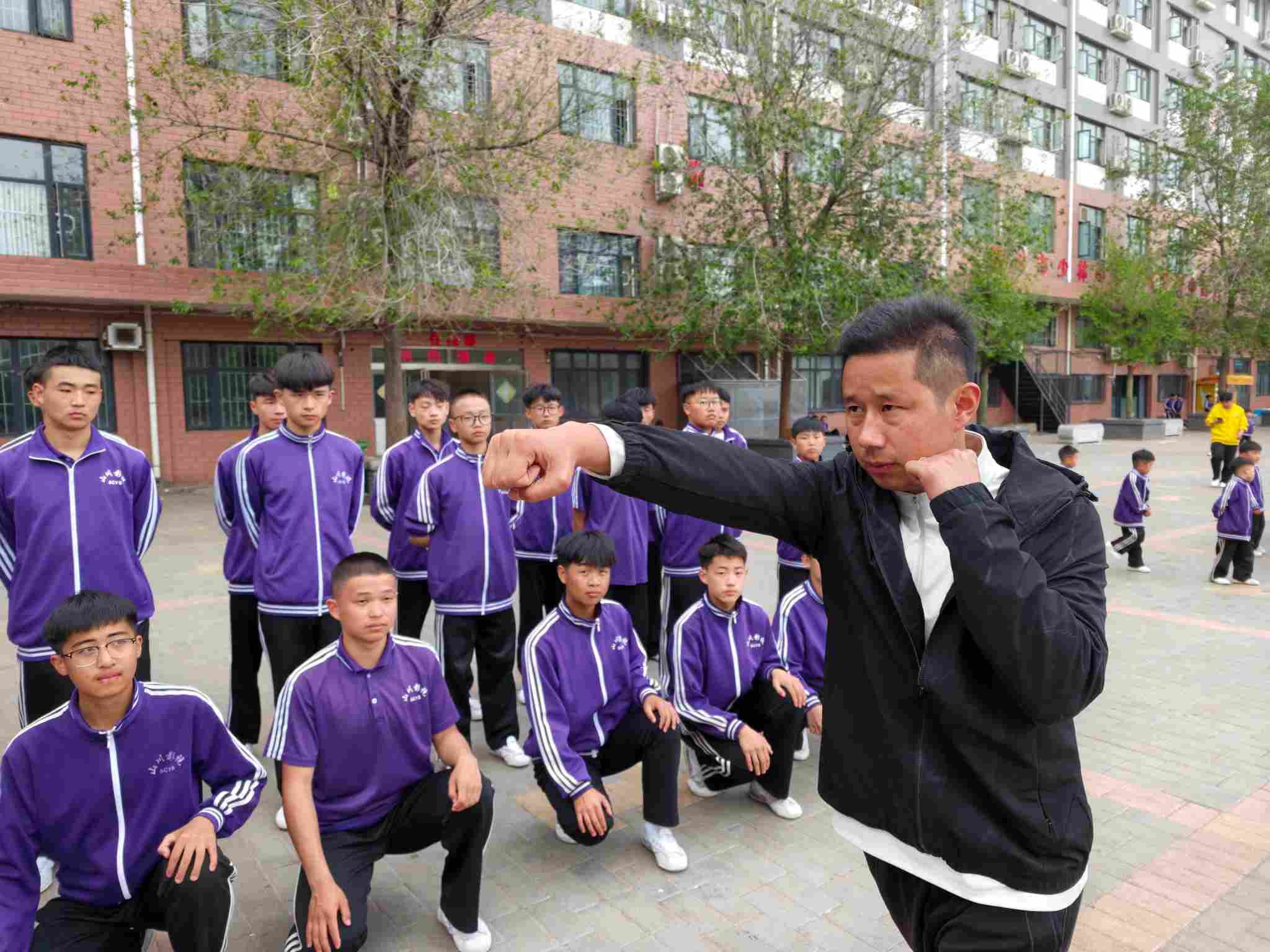
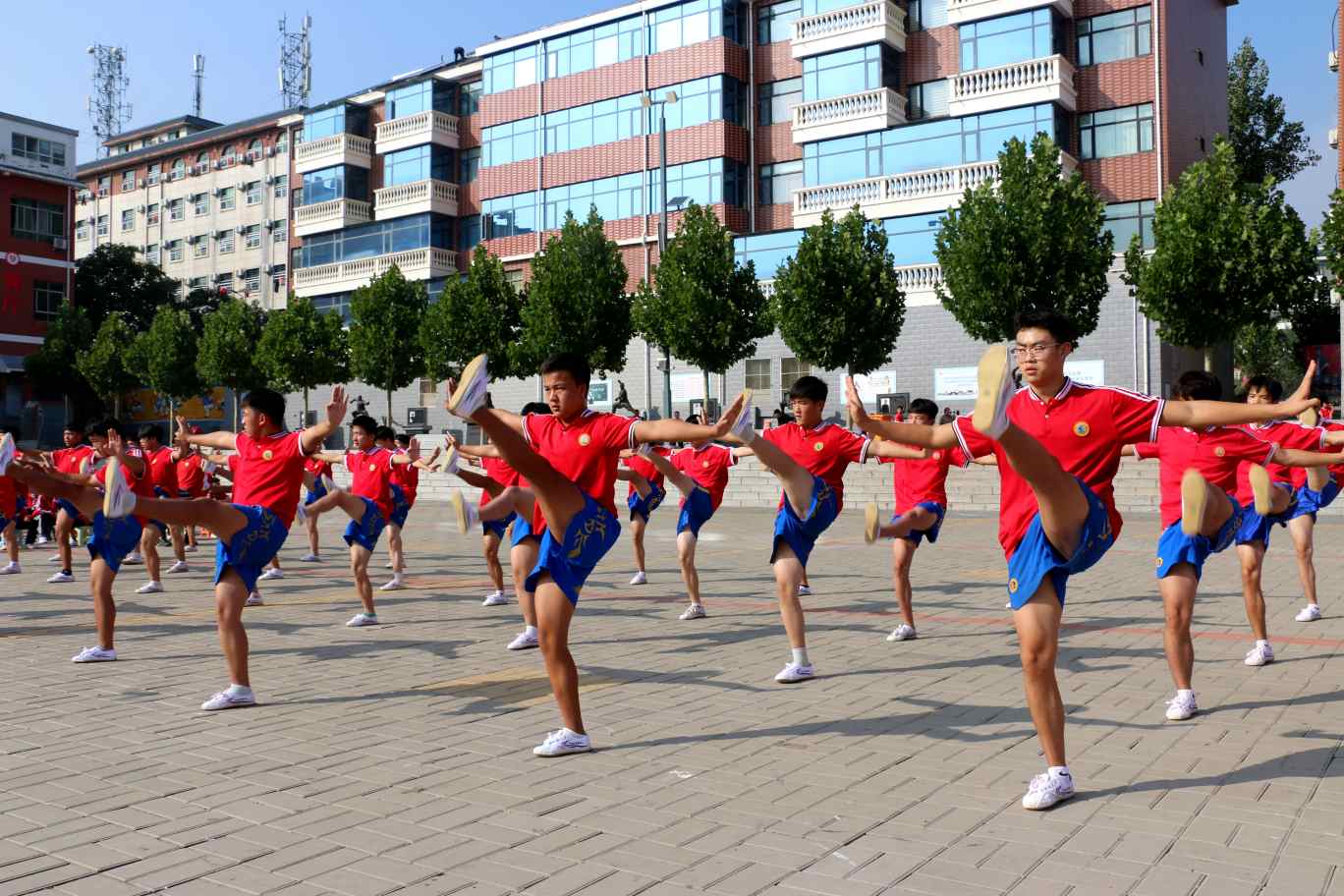
Philosophical Foundation: Convergence of Confucianism, Buddhism and Taoism, Unity of Yin and Yang
Analyzing the direct relationship between Shaolin Kung Fu and Tai Chi reveals a unified philosophical framework shared across traditional Chinese disciplines. Both share the underlying logical system of traditional Chinese philosophy with different emphases. Shaolin Kung Fu takes Zen (Buddhism) as its essence, while Tai Chi centers on Taoism (Yin-Yang) for application, ultimately reaching the realm of harmony between humans and nature.
|
Dimension
|
Shaolin Kungfu
|
TaiChi
|
Shared Essence
|
|---|---|---|---|
|
Core Philosophy
|
Zen (Emptiness, Concentration, Wisdom), eliminating obsession to illuminate inner nature
|
Yin-Yang and TaiChi, following the nature of Tao, endless generation and transformation
|
Internal and external cultivation, interaction of motion and stillness, integration of hardness and softness
|
|
Value Orientation
|
Unity of Zen and Kungfu, attaining spiritual enlightenment through Shaolin Kungfu, abiding by precepts, concentration and wisdom
|
Neutrality and peace, self-cultivation and spiritual refinement, governing inaction yet accomplishing all things
|
|
|
World Outlook
|
Dependent origination and inherent emptiness, impermanence of all phenomena
|
Mutual rooting of Yin and Yang, cyclic circulation of cosmic energy
|
Holistic view, dynamic balance, harmonious coexistence
|
- For Shaolin Kungfu, martial practice is a path of spiritual cultivation. Through religious precepts, sitting meditation and Kungfu training, it achieves unity of fist and Zen, realizing inner self-awareness in combat practice.
- TaiChi embodies Yin-Yang philosophy into physical movements. It interprets the transformation of Yin-Yang waxing and waning as well as reality and emptiness through the Thirteen Postures including Peng, Lv, Ji and An, achieving the state of guiding energy with mind and mobilizing body with energy.
- In profound resonance, both reject extreme pure toughness or pure gentleness, and stress integration of hardness and softness, circular fluency and transformation of reality and emptiness – the essential feature that distinguishes traditional Chinese martial culture from other combat systems.
Technical System: External Toughness and Internal Gentleness, Interdependence of Form and Essence
The common classification of “Shaolin as an external school and Tai Chi as an internal school” is actually two sides of the same coin. Shaolin Kung Fu emphasizes external training of bones, muscles, and skin while possessing profound internal energy cultivation; Tai Chi focuses on internal practice of mind, energy, and strength, yet cannot be separated from external foundational training.
Shaolin Kungfu: Hidden Gentleness within Toughness, Strengthening the Inside through External Practice
External Training: Including punching, kicking, throwing, grappling, and cold weapons such as staff, sword, and broadsword. Movements are open, powerful, simple, and practical.
Internal Training: Incorporating breathing meditation; sitting practice; Muscle-Tendon Changing Classic and Marrow Washing Classic; cultivating energy, mind, and spirit; and stressing controlling strength with energy and unity of internal and external force.
Strength Application: Dominated by firm strength supplemented by gentle force, concealing softness within toughness. Its explosive power is crisp, rapid and controllable in emission and collection.
Tai Chi: Implied Toughness within Gentleness, Smoothing the External through Internal Strength
External Training: Featuring relaxation, sinking, circularity, and flexibility. Movements are slow, coherent, and naturally rounded without rigid confrontation, laying emphasis on neutral body posture and connected movement of every body segment.
Internal Training: Guiding energy with the mind, sinking energy to the dantian, and circulating internal strength. It cultivates spiral strength and integrated holistic strength, highlighting internal movement driving external follow-up in an intangible manner.
Strength Application: Dominated by gentle strength with tough strength for practical use, conquering rigidity with softness, and overcoming great strength with subtle force. It accumulates power before releasing it with fierce and short explosive force, as embodied in the stamp and sudden vibration of Chen-style Tai Chi.
Technical Mutual Learning: Blending into Each Other’s System
- To properly learn basic Tai Chi, practitioners often look at how historic styles interlocked. Shaolin Kung Fu absorbed Tai Chi’s concepts of relaxation, circularity, and internal strength after the Qing Dynasty, developing Shaolin Soft Fist and Shaolin Zen Tai Chi to enrich its internal cultivation system. Early Tai Chi drew heavily on Shaolin Kung Fu’s basic postures, body, and stepping techniques as well as strength principles. In particular, Chen-style Tai Chi retains many traits of toughness, jumping, and stamping, bearing obvious influence from Shaolin Kung Fu.
- Furthermore, modern dynamic training utilizes highly focused Tai Chi methods and foundational Tai Chi techniques to optimize physical coordination. Core shared techniques include neutral body posture, chest containment and back expansion, waist relaxation and hip contraction, shoulder and elbow sinking, bent knees and crotch rounding, energy sinking to the dantian, and the Three Internal and External Unities. A major aspect of the internal benefits of tai chi is how these parameters protect skeletal health while optimizing maximum power delivery.
Cultural Exchange: From Divergence to Integration, Jointly Forging National Martial Arts
From the Ming and Qing dynasties to the present, the two evolved from a pattern of “dominant Shaolin Kungfu and auxiliary TaiChi” to standing side by side as twin peaks with mutual complementarity, becoming the core representative of traditional Chinese martial culture.
Ming and Qing Dynasties: Prosperity of Shaolin Kungfu, Sprouting and Absorption of Tai Chi
- In the Ming Dynasty, Shaolin warrior monks made remarkable achievements in national defense, gaining worldwide fame with a mature technical system and setting a benchmark for folk Kungfu.
- At the end of the Ming Dynasty, Chen Wangting created TaiChi, which incorporated a large number of Shaolin Kungfu elements from its inception.
- Restricted by authorities in the Qing Dynasty, Shaolin monks dispersed among the folk, promoting frequent exchanges and accelerated technical inheritance between Shaolin Kungfu and TaiChi.
Modern Times: Rise of Tai Chi, Revival of Shaolin Kungfu and Two-Way Integration
- During the Republic of China era, Tai Chi gained rapid popularity for its health preservation and combat value. Masters such as Yang Luchan promoted it into a mainstream national martial art.
- Shaolin Kung Fu underwent revival in the Republic of China. Centered on the Shaolin Temple, it sorted out traditional routines and integrated Tai Chi’s concepts of relaxation and internal strength to elevate its internal cultivation standard.
- After the founding of New China, both were listed as National Intangible Cultural Heritage (Shaolin Kung Fu in 2006, Tai Chi in 2020), serving as important cultural business cards for China’s foreign cultural exchanges.
Contemporary Era: Symbiotic Complementarity and Coordinated Development
Technical Integration: Many practitioners train in both Shaolin Kung Fu and Tai Chi, taking Shaolin Kung Fu as the external foundation and Tai Chi as the sublimation of internal cultivation, ultimately reaching the highest realm of integrating hardness with softness and unifying internal and external practice.
Cultural Complementarity: Shaolin Kung Fu embodies masculinity, enterprising spirit, and Zen-Kung Fu ethos; Tai Chi represents gentleness, harmony, and health-preserving wisdom. Their combination fully presents the cultural character of traditional Chinese martial arts, featuring both martial prowess and literary grace as well as integrated hardness and softness.
Value Complementarity: Integration of Hardness and Softness, Unity of Martial and Literary Refinement
Value of Shaolin Kungfu: Physical fitness, self-defense, willpower tempering, and spiritual meditation. It suits practitioners pursuing masculine vitality, practical combat capability, and spiritual transcendence.
Value of Tai Chi: A massive part of the internal benefits of Tai Chi is self-cultivation, spiritual refinement, regulating qi and blood, delaying aging, and nurturing temperament. When beginners learn basic Tai Chi, it quickly caters to their pursuit of physical and mental health as well as balanced harmony and governing inaction.
Ultimate Unity: Both systems utilize advanced Tai Chi methods and traditional Tai Chi techniques to pursue the complete integration of body and mind as well as harmony between humanity and nature, ultimately reaching the highest martial realm of stopping warfare with martial arts and universal harmony under heaven.
Conclusion: Same Origin and Integrated Existence
Shaolin Kung Fu and Tai Chi should not be defined as opposing external and internal schools. They share the same origin with divergent development, learn from each other in techniques, align in philosophy, and complement each other internally and externally. Shaolin Kung Fu stands as the pinnacle of masculine strength and the origin of external training; Tai Chi represents the ultimate of feminine gentleness and the master of internal cultivation. They complement and rely on each other indispensably, jointly constructing the complete ecosystem of traditional Chinese martial arts and bearing the Chinese national cultural spirit of integrating hardness and softness, unifying martial and literary refinement, and achieving harmony between human and nature.